TEXTURES · 2025
Generative Art of Marbling
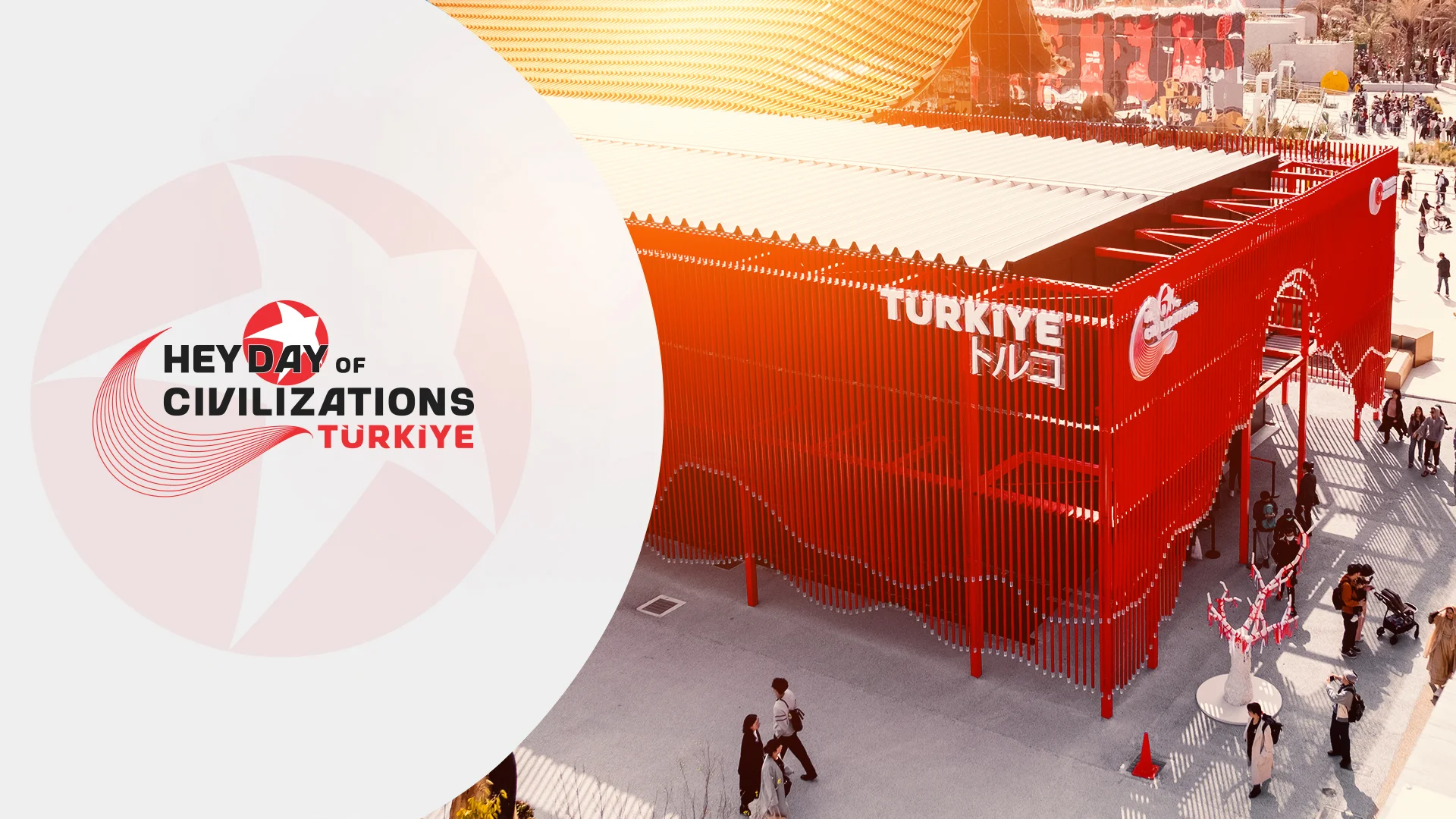
Generative video · Türkiye Pavilion, Expo 2025 Osaka, Kansai, Japan · 2025
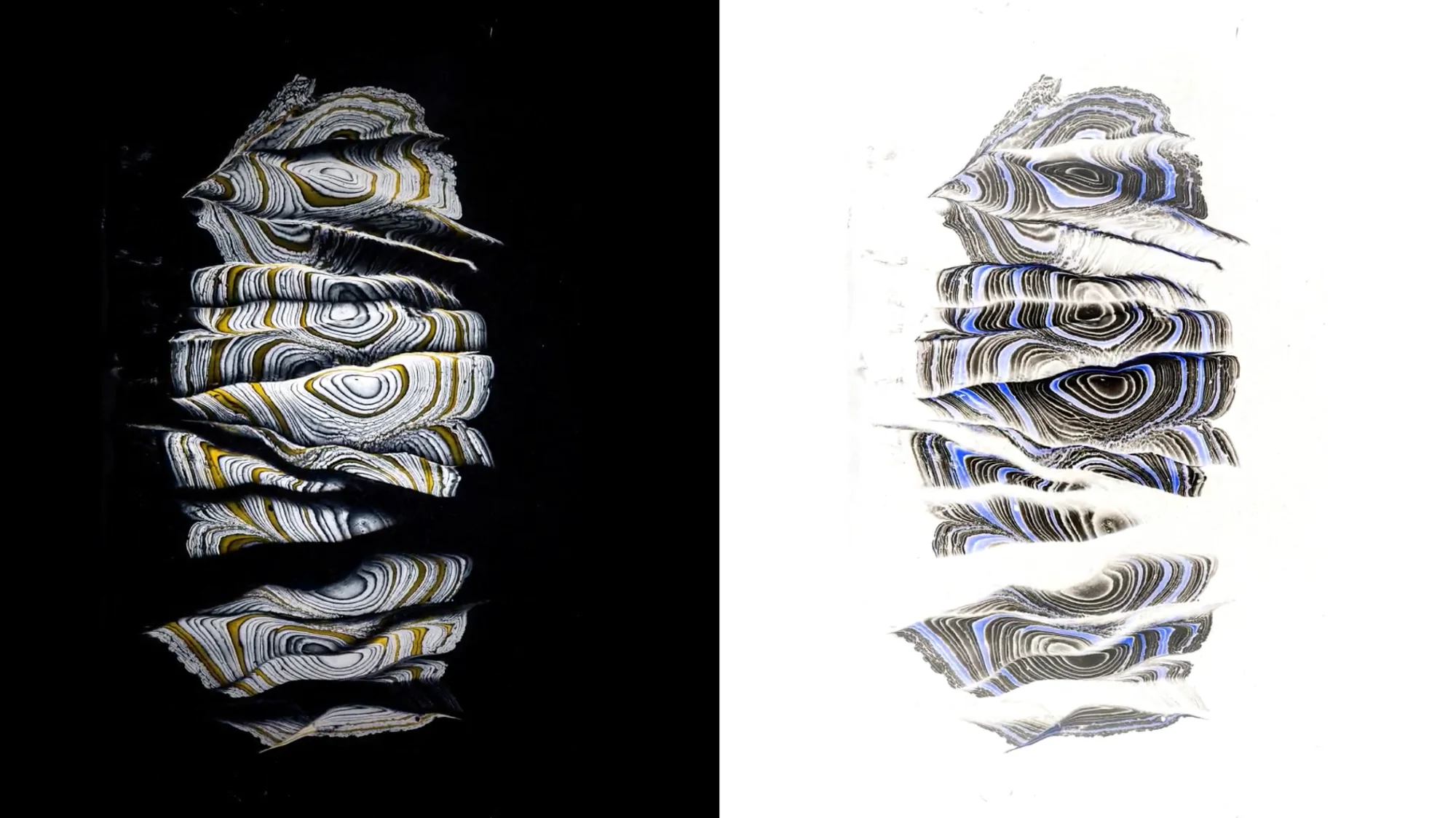
Throughout human history, water has been a shared narrative space for cultures. Suminagashi and Ebru — two ancient arts shaped on the surface of water in Japan and in the Ottoman world — offer distinct aesthetic and philosophical approaches inspired by nature. Using these techniques, Japanese and Turkish artists discovered ways of creating with the random flow of water rather than intervening in it.
In Japanese suminagashi, emptiness and simplicity become a search intertwined with Zen philosophy, while Ottoman ebru carries the deep spirituality of Sufism, which foregrounds love and surrender. What these two related techniques share is randomness, authenticity and uniqueness. Yet on closer inspection, their cultural and geographical differences are reflected in their colour palettes: Japanese suminagashi, with pastel and faded tones, carries the silence of nature and the stillness of Zen; Turkish ebru, with more vivid colours and higher contrast, traces an inner flow and a dynamic rhythm.
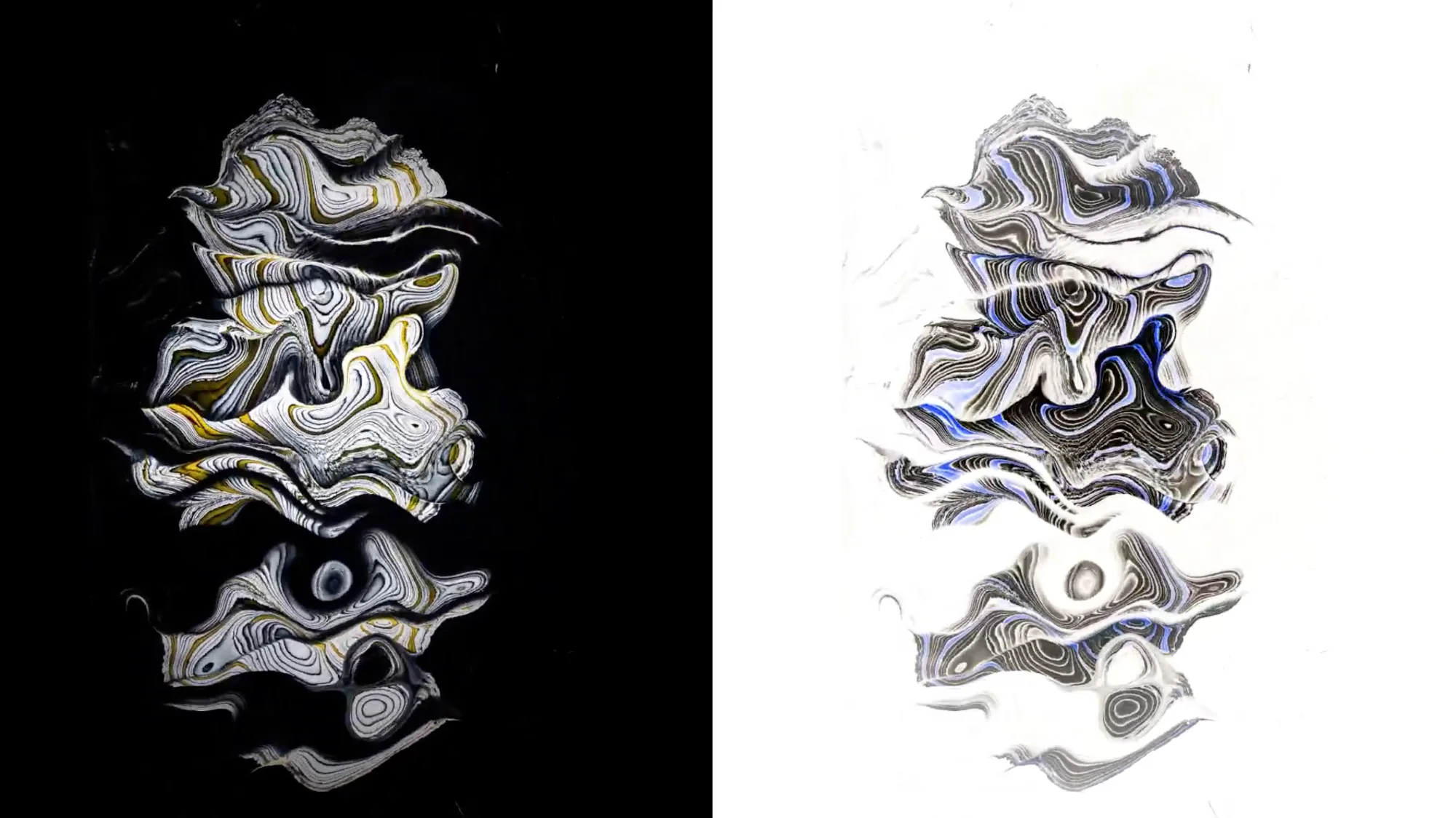
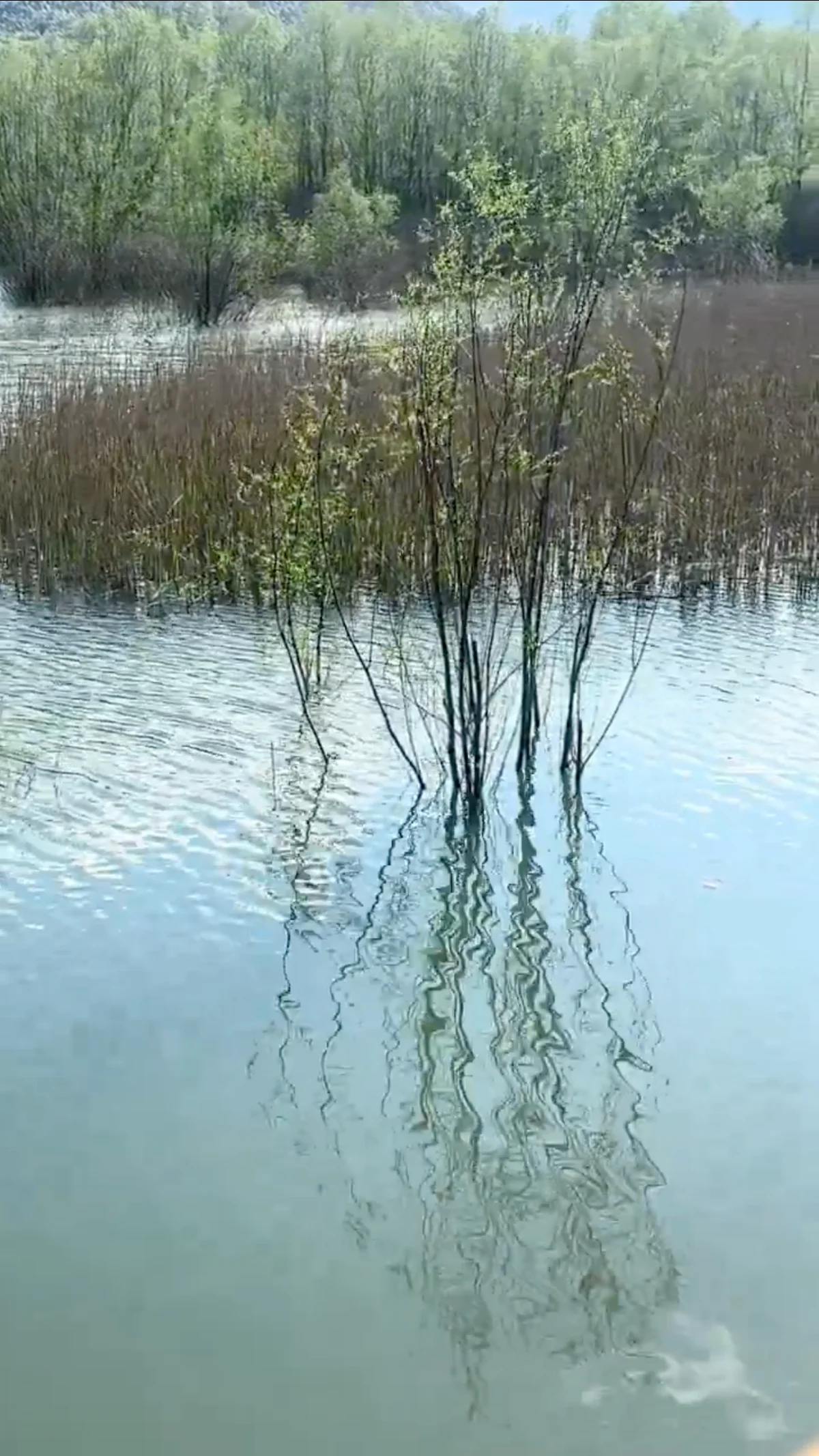
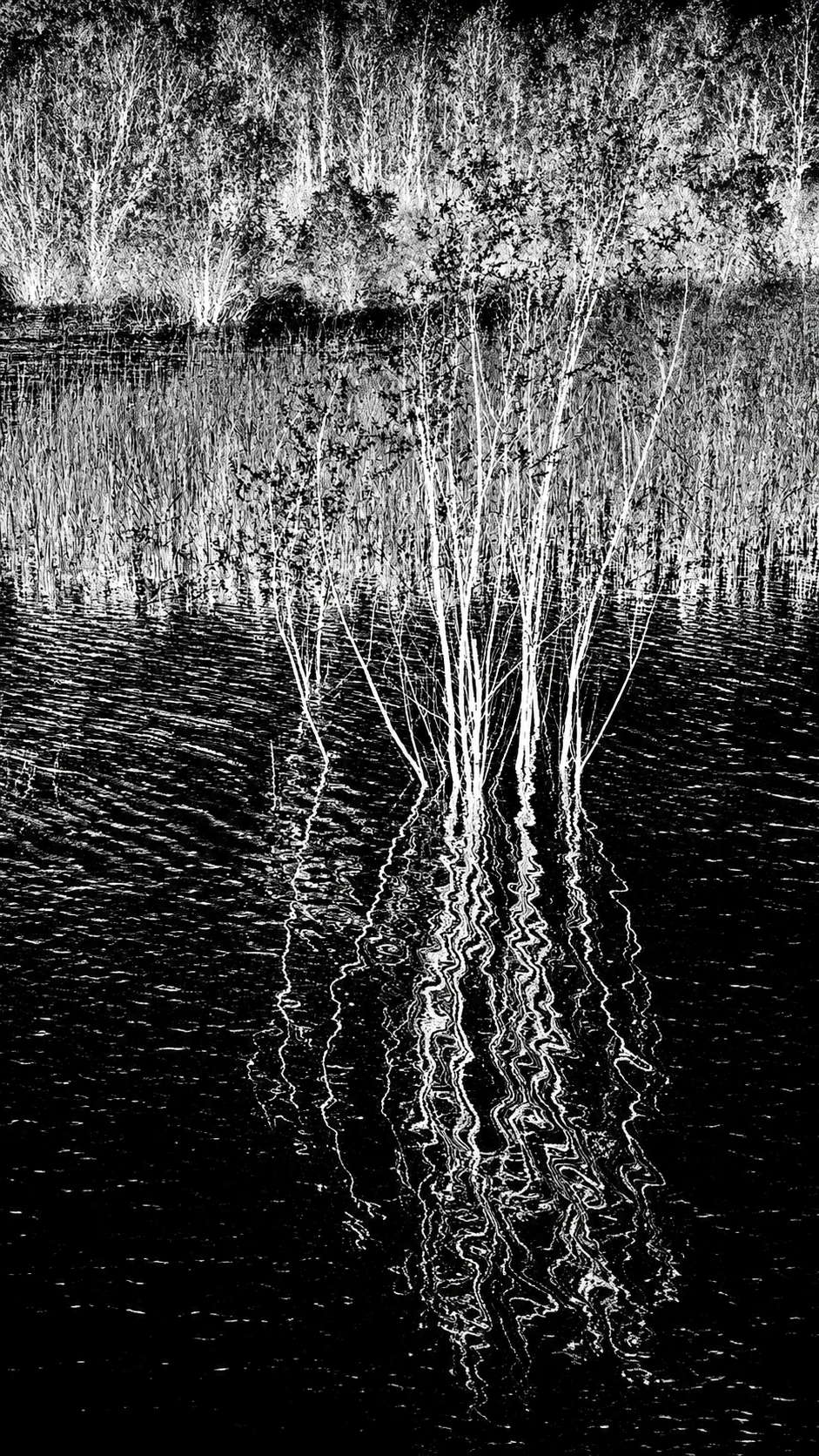
Ecem Dilan Köse first transfers the works she creates on water with the traditional technique onto paper, then brings them into the digital realm through high-resolution scanning. The scanned images are transformed with displacement algorithms that simulate the way water spreads, disperses and distorts. The same effect can be seen in nature: the visual distortions created as light strikes the waves on the surfaces of seas, rivers and lakes recur in the artist’s digital intervention.
This generative video work approaches the process by which the two water arts transform into one another through a digital rhythm of breath. Compositions that fall onto white represent the Japanese search for emptiness and simplicity, while those carrying traditional Turkish colours fall onto black to emphasise contrast. Today, it is important that advancing technology and computer-based practices engage with these traditional techniques through their parallels in generative art — in order to preserve them, understand them better and reach their essence. The shared qualities of suminagashi and ebru — randomness, authenticity and uniqueness — reveal the bonds cultures have formed with nature, and we see these same qualities in digital production tools today. Using the displacement algorithm of water is therefore a way to show the digital reflection of art, to analyse the foundations of artistic practices whose cultural roots are grounded in nature, and to reprocess them through technology.
On one side, the fluid compositions of Turkish/Ottoman ebru; on the other, the minimal waves of Japanese suminagashi… Both are reflections of water, breath and time. And both remind us that humans can exist in harmony with nature without intervening in it.
- Medium
- Generative video — ebru and suminagashi on paper, high-resolution scans, displacement algorithms
- Exhibition
- Heyday of Civilizations — Türkiye Pavilion
- Event
- Expo 2025 Osaka, Kansai, Japan · 13.04–13.10.2025